
Ledger.com/Start® | Getting started®™ — Ledger Support
Visit Ledger.com/start to configure your Ledger wallet, connect your device, review account balances, manage assets, and follow secure wallet practices.
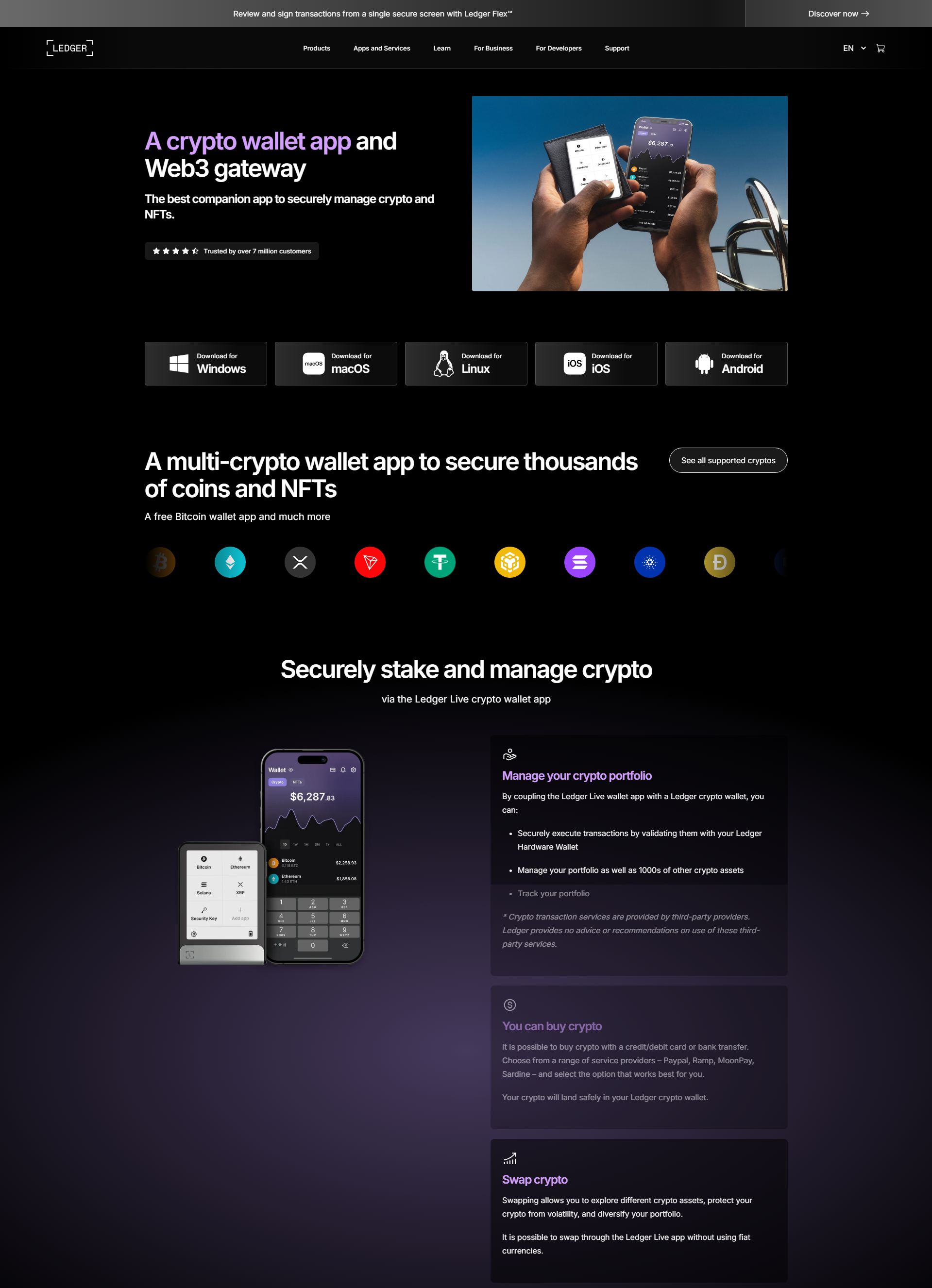
Ledger.com/start: A Beginner’s Roadmap to Wallet Setup
Getting familiar with a hardware wallet is much easier when the setup process has a clear roadmap. Ledger.com/start can be a useful starting point for users who want to understand how to prepare a Ledger device, connect compatible wallet software, and develop better practices for managing supported cryptocurrencies.
The key is to understand each stage before moving to the next one.
1. Begin With a Verified Resource
Start by locating the appropriate official Ledger setup information.
Before entering any information, examine the website address carefully. Avoid relying on unexpected links from emails, social media posts, advertisements, or unknown support accounts.
2. Prepare the Hardware
Connect your Ledger device according to the instructions for the specific model.
During configuration, carefully read the prompts displayed on the physical device. Confirm only actions that you recognize and understand.
If a step seems unusual, pause and verify it before continuing.
3. Set Up Your Recovery Backup
Recovery information should be handled with considerable care.
Record it according to the instructions and keep it in a secure private location. Avoid photographing it or storing it in email, cloud storage, messaging applications, or other internet-connected services.
Never give this information to another person.
4. Install Compatible Wallet Software
Once the hardware is configured, use compatible wallet software from a trusted source.
Depending on the setup, the software may provide access to supported accounts, balances, transaction activity, and other wallet-management tools.
Check current compatibility before attempting to use a particular cryptocurrency or network.
5. Explore Before Transacting
You do not need to immediately start moving funds.
Take some time to understand your account interface, available balances, receiving options, and transaction workflow. Familiarity with these functions can make future activity easier to manage.
6. Verify Incoming Transfers
When receiving crypto, make sure the address you provide belongs to the intended account.
Also pay attention to the relevant cryptocurrency and network. Using incorrect network information can create avoidable problems.
7. Review Outgoing Transactions
Sending cryptocurrency requires careful verification.
Before approval, check the destination address and amount. When the transaction information appears on your hardware device, compare it with your intended transfer.
Do not approve a transaction that contains unexpected information.
8. Continue Learning
Wallet security does not stop once the setup is finished.
Remain cautious with unfamiliar websites, unexpected support messages, suspicious downloads, and requests for confidential information.
FAQs
What is Ledger.com/start designed to help with?
It can provide a starting point for Ledger hardware-wallet setup and onboarding information.
What should I do with my recovery information?
Keep it private, secure, and protected from unauthorized access.
Why should I check the network before receiving crypto?
Different assets can use different networks, so confirming compatibility helps reduce avoidable transfer errors.
Should I trust an unexpected wallet-support message?
Treat unexpected support messages cautiously and use trusted official resources independently.
Conclusion
A clear roadmap can make a new hardware-wallet experience less confusing. Ledger.com/start can introduce the setup journey, while careful recovery protection, compatible software, and transaction verification can help establish safer cryptocurrency-management habits.
Updated about 8 hours ago