
Ledger.com/Start® | Getting started®™ — Ledger Support
Ledger.com/start gives you a practical path from hardware wallet setup to managing crypto accounts, monitoring assets, reviewing balances, and handling transactions.
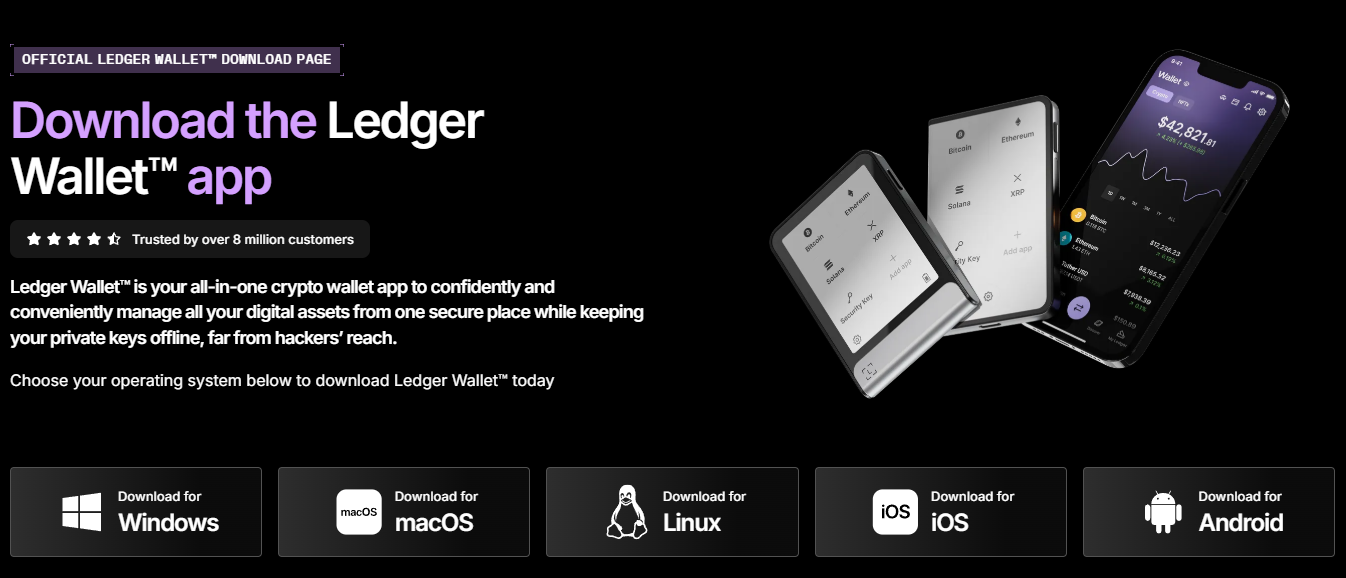
Ledger.com/start: Prepare for Safer Crypto Management
Setting up a hardware wallet is an important part of learning how to manage digital assets independently. The process is easier when users understand what to check before connecting a device, how to protect sensitive recovery information, and how to review transactions. Ledger.com/start can be used as a starting point for becoming familiar with these essential wallet practices.
Begin With a Trusted Environment
Your setup environment matters. Start with a computer or mobile device that you control and keep its operating system reasonably current. Before downloading or opening wallet-related software, confirm that you are using a trusted source.
Avoid following unexpected links sent through emails, social networks, advertisements, or private messages. A familiar brand name does not automatically make a website legitimate.
Check Your Hardware Before Use
Take a moment to inspect your hardware wallet before beginning configuration. If the device or packaging appears inconsistent with what you expected, investigate the issue before entering sensitive information or continuing with setup.
Buying through reputable channels and following official guidance can help establish a safer starting point.
Configure the Wallet Step by Step
Once you are ready, follow the setup instructions carefully. The wallet software and hardware device may present different prompts, so read each one before confirming.
Do not treat setup as a race. If a particular screen is unfamiliar, pause and understand what it means before moving ahead.
The objective is not simply to finish configuration but to understand the basic workflow you will use later.
Secure Your Recovery Information
One of the most important responsibilities in self-custody is protecting recovery information.
Keep it private and protected from unauthorized access. Do not send it through chat, email, or social media, and do not enter it into a website merely because someone claims that verification is required.
Anyone who unexpectedly asks for sensitive recovery information should be treated with caution.
Learn Before You Transfer
After configuration, explore your wallet before moving significant funds. Become familiar with account information, balances, supported assets, transaction records, and the process for receiving and sending crypto.
This gives you an opportunity to identify unfamiliar terminology or screens while there is no pressure to complete a transaction.
Verify the Receiving Network
Receiving crypto involves more than copying an address. Confirm that the address belongs to the correct account and that the selected network is appropriate for the asset.
If you are unsure about a transfer, verify the relevant information before providing an address to another party.
Review Every Outgoing Transaction
Sending crypto requires deliberate confirmation. Before approving a transaction, check the destination, asset, network, amount, and other available details.
If something differs from what you expected, stop rather than approving automatically.
Careful verification is especially valuable because blockchain transactions may not be reversible after confirmation.
Recognize Suspicious Messages
Scammers frequently use urgency to influence users. A message may claim that your wallet has a problem, that an account must be verified immediately, or that funds are in danger.
Instead of clicking the provided link, independently navigate to a trusted source and investigate the situation.
Make Security an Ongoing Practice
Wallet security continues after the initial setup. Protect your hardware device, use trusted software sources, keep recovery information private, and review transactions carefully.
Small habits repeated consistently can become an effective part of everyday crypto management.
FAQs
What is the purpose of Ledger.com/start?
It can serve as a starting point for users learning about Ledger wallet setup and related security practices.
What should I do if a website asks for my recovery information?
Do not provide it. Verify the situation through a trusted official source instead.
Should I check the network when receiving crypto?
Yes. Make sure the network is appropriate for the asset and intended transaction.
Why should I inspect transactions before approving them?
Reviewing transaction information gives you an opportunity to identify incorrect or unexpected details before confirmation.
Is wallet setup a one-time security task?
No. Safe wallet management involves ongoing attention to device security, software sources, recovery information, and transactions.
Updated about 8 hours ago